Synopsis
Before we begin the the analysis, a brief summary of the film;

The Lion King (1994) tells the story of Simba, a young lion who is born into a royal bloodline and destined to become king. The film follows his journey from childhood innocence to exile, self-discovery, and finally leadership. Although the movie is often seen as a children’s film, it carries deeper spiritual and moral themes that connect it to religion and myth. As Ward argues, Disney films work as “moral educators,” using familiar stories and symbols to teach children about virtue, justice, and responsibility (Ward 1996).
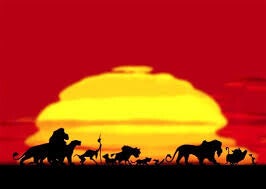
The film begins with the “Circle of Life,” which presents a worldview centered on balance, purpose, and the interconnectedness of all beings. This idea mirrors spiritual teachings found in many religious traditions. Simba’s early lessons from Mufasa emphasize respect, humility, and understanding one’s place in the world, which are themes often found in mythic hero narratives. Comer notes that The Lion King follows a classic mythic structure where the main character must lose everything before discovering their true identity (Comer 2001). After Mufasa’s death, Simba’s self-imposed exile represents a symbolic fall. This part of the story connects to religious narratives about wandering, guilt, and searching for meaning. When Rafiki appears as a spiritual guide, he helps Simba confront his past and “remember who he is,” which parallels moments of spiritual awakening or revelation in religious texts (Eichler-Levine 2024).
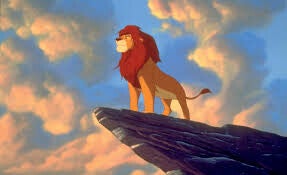
Simba’s return to Pride Rock marks renewal and restoration, completing the mythic cycle of exile, transformation, and return. By blending animation with spiritual symbolism and moral conflict, The Lion King becomes a modern myth that teaches lessons about identity, responsibility, and the struggle between good and evil, echoing the same lessons found in many religious narratives (Ward 1996).
Create Your Own Website With Webador