Ritual in The Lion King
Ritual plays a huge role in The Lion King, and it’s one of the main ways the film connects to real religious practices. Even though the movie is animated, the rituals are treated with seriousness and respect, showing how Disney uses ceremony to teach moral and spiritual lessons. Ward (1996) explains that Disney films often rely on these familiar moments because rituals help guide viewers toward understanding a story’s moral structure. In The Lion King, rituals mark turning points in Simba’s life and highlight the themes of identity, community, and renewal.
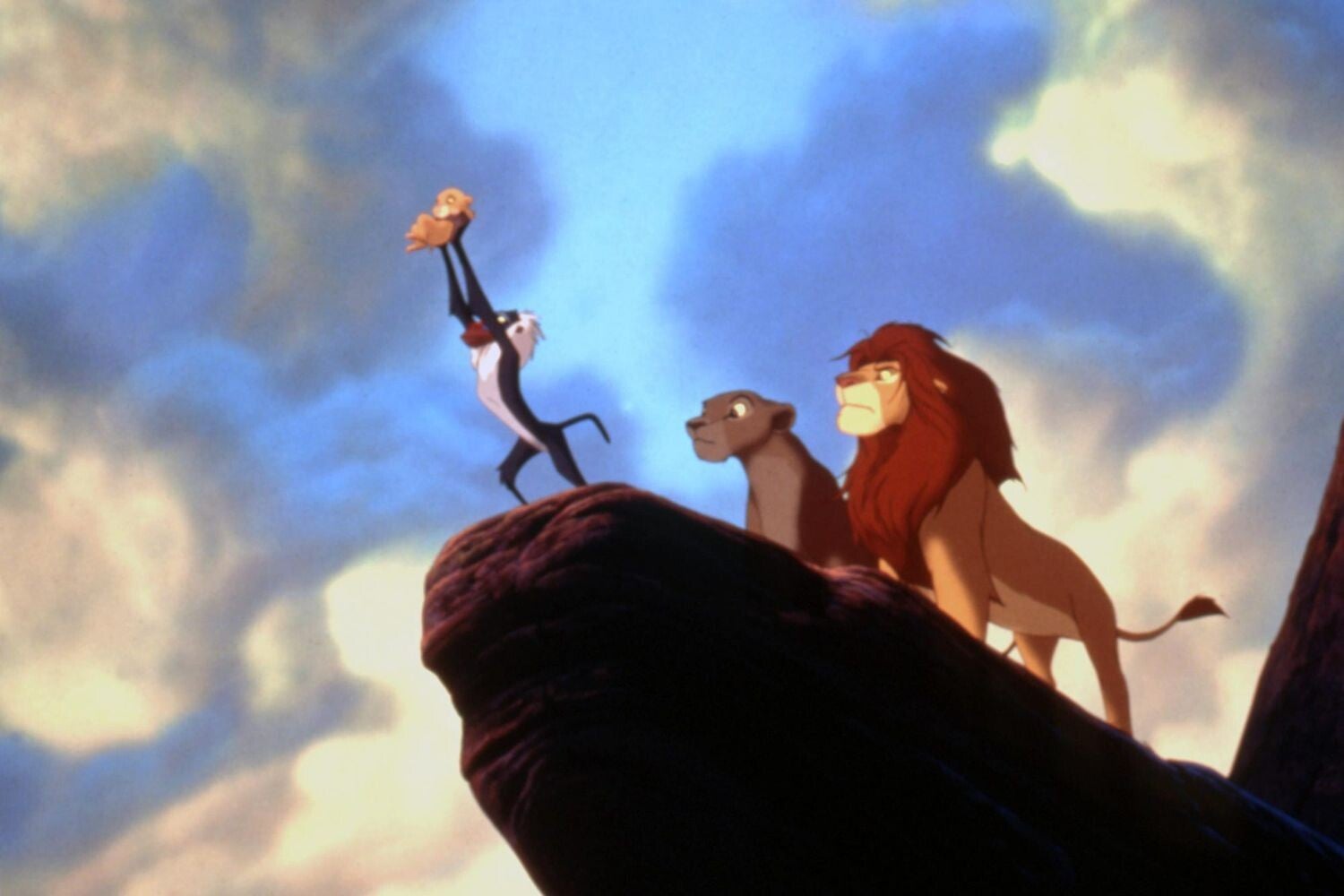
Circle of Life Ritual
The most obvious example is the presentation of baby Simba during the “Circle of Life” scene. This moment works almost like a religious initiation or a blessing ceremony. Every animal gathers to witness Simba being lifted toward the sun, and the entire kingdom treats this moment as sacred. Comer (2001) points out that rituals in mythic stories are meant to signal legitimacy and destiny, and Rafiki’s actions mirror this perfectly. He anoints Simba, marks him with fruit, and lifts him for the community to see. The ceremony creates a sense of order, showing that Simba is part of something bigger than himself.
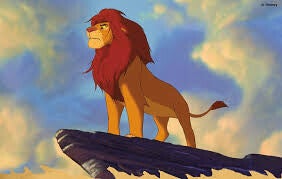
Simba Becomes King
Another important ritual is the moment when Simba finally takes his place as king. This scene recreates the opening ceremony but with a deeper meaning. The rain falling over Pride Rock works like purification, signaling forgiveness, renewal, and the restoration of order. Stan (2019) explains that myths often end with a ritual of renewal to show that the community has been healed. When Simba climbs Pride Rock and lets out his roar, it marks the return to balance. The community recognizes him as the rightful king, and the ritual officially closes the cycle of his journey.
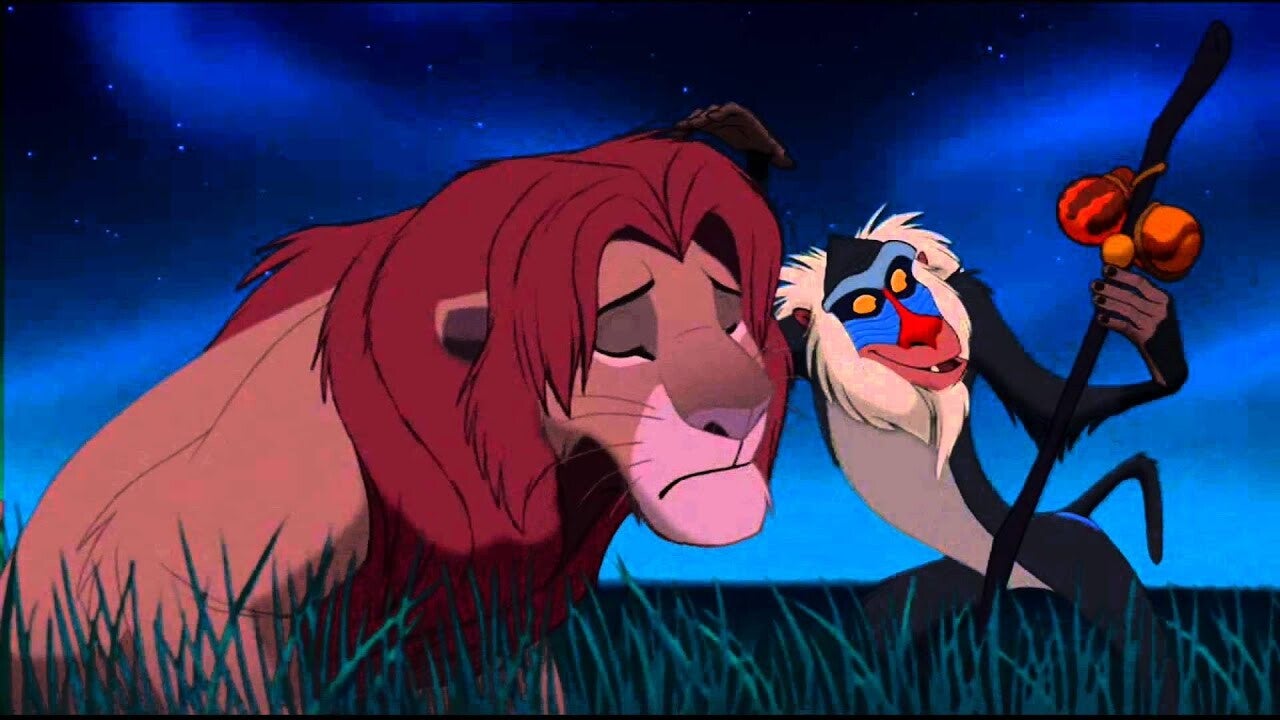
Remembrance Ceremony
Rafiki’s rituals also appear later when he performs a kind of spiritual remembrance ceremony after discovering that Simba is alive. When he paints the updated mark of Simba on the tree, it resembles the way religious rituals help people honor ancestors, remember important figures, and keep traditions alive. Eichler-Levine (2024) mentions that rituals in modern storytelling often help characters reconnect with identity, and that’s exactly what happens when Rafiki prepares for Simba’s return. This act is symbolic, but it feels as meaningful as lighting a candle, saying a prayer, or marking a sacred object.
Create Your Own Website With Webador